Museum displaying the prevailing design, architecture, and decorating tastes of Gilded Age America and the art nouveau era in permanent and special exhibitions.
Meticulously restored Gilded Age mansion showcasing decorative arts, architecture, furnishings, and cultural exhibitions from the late nineteenth and early twentieth centuries.
General Information
- Hours:
-
Wednesday: 11am to 7pm
Thursday to Sunday: 11am to 5pm
Closed Monday and Tuesday
Last entry is one hour before closing - Fees:
-
Adults: $23
Seniors (65+): $18
Students with ID: $13
Children 12 and under: Free
Active Military Personnel: Free - Pet Policy:
- Pets are not allowed inside the museum
- Closest cities with hotels:
- Chicago, IL
- Seasons:
- All year
- Location:
- 50 E Erie St, Chicago, IL 60611
- Website:
- driehausmuseum.org
How to Get There
From Chicago (1 mi): Take North Michigan Avenue to East Erie Street, then travel west on Erie Street to the museum entrance at 50 E Erie Street.
Overview
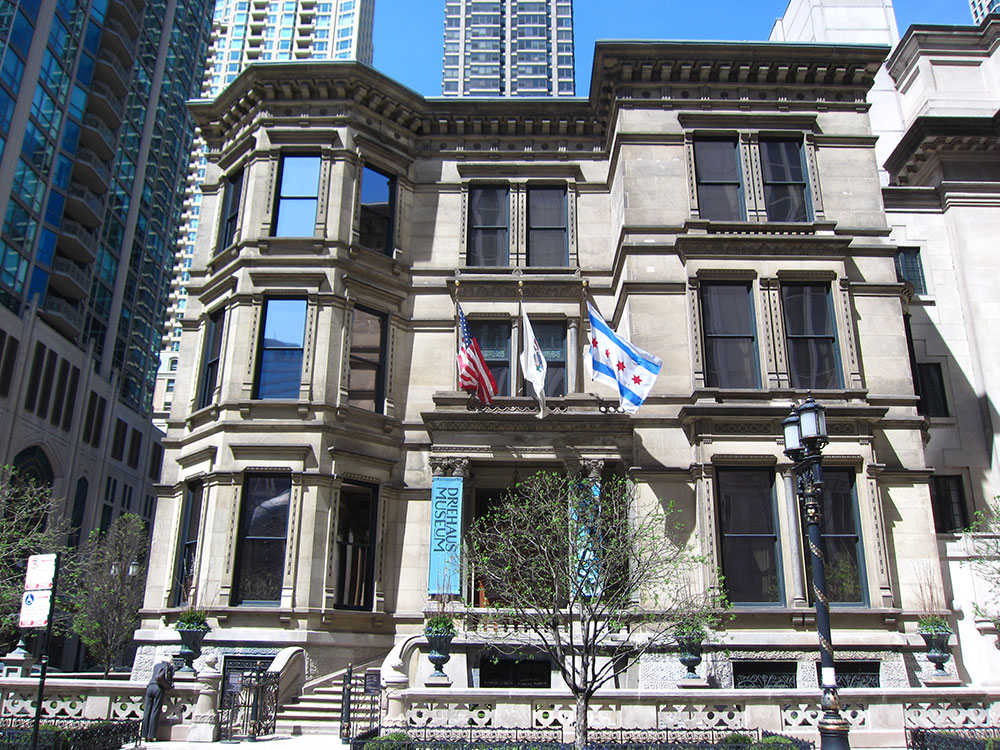
The Richard H. Driehaus Museum is on the Near North Side in Chicago, near the Magnificent Mile, in the historic Samuel M. Nickerson House, the 1883 residence of a wealthy Chicago banker. It interprets the design, architecture, and decorating tastes of Gilded Age America and the art nouveau era in permanent and special exhibitions.
The Nickerson Mansion
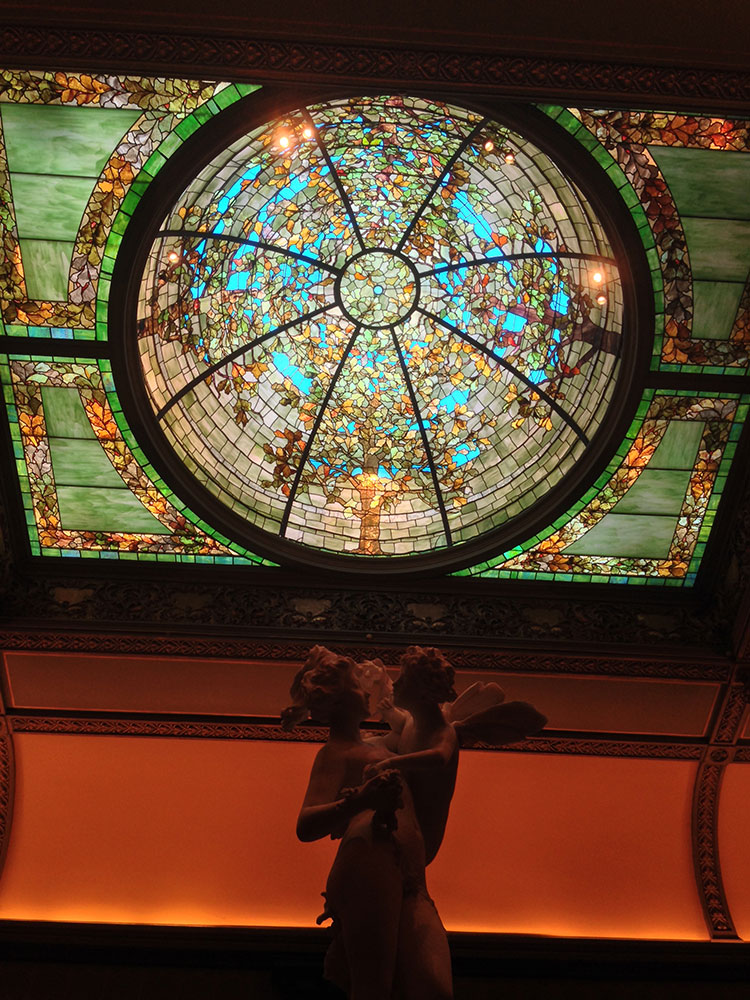
The mansion was designed by Edward J. Burling of Burling & Whitehouse. Construction took four years and cost $450,000, making it reportedly the most expensive and elaborate private residence in Chicago when completed. The interiors are full of marble, onyx, carved exotic woods, glazed tiles, and stained glass.
Decorative Arts
Original furnishings from the Nickerson era are shown along with American and European decorative arts of the late 19th and early 20th centuries, including art nouveau furnishings and works by Louis Comfort Tiffany, from the private Driehaus Collection of Fine and Decorative Arts.
History of the House
The Nickersons lived in the mansion from 1883 to 1900, then paper magnate Lucius George Fisher until 1916; it was a gift to the American College of Surgeons in 1919, which used it until 1965.
This article uses material from the Wikipedia article "Driehaus Museum", which is released under the Creative Commons Attribution-Share-Alike License 3.0