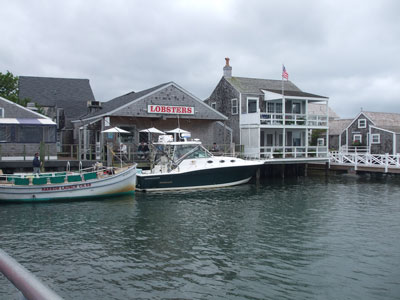

Step off the ferry onto the wharves and walk into Nantucket's historic downtown, where Main Street's cobblestones and brick sidewalks lead past grand houses built by whaling captains and merchants. Much of the downtown was rebuilt after the Great Fire of 1846, which destroyed many of its buildings. Browse the shops and galleries, look for the island's famous woven lightship baskets, and pass the Greek Revival Nantucket Atheneum, the island's historic library.
Nantucket: Cobblestone Streets, Whaling History, and Island Lighthouses
1 Day
About 30 miles south of Cape Cod and reachable only by ferry or plane, Nantucket is an island of cobblestone streets, gray-shingled cottages covered in climbing roses, and some of the finest collections of pre-Civil War architecture in the country. In the 1700s and early 1800s, it was the leading whaling port in the world, and the wealth of that era built the grand houses that still line Main Street. When whaling declined, the island's economy faded, preserving its historic character, and today the entire island is a National Historic Landmark. This one-day itinerary is designed as a day trip by high-speed ferry from Hyannis, combining the historic town and the Whaling Museum with a bike ride to the village of 'Sconset and an afternoon on the beach. Madaket and its famous sunsets, Surfside Beach, the Coskata-Coatue Wildlife Refuge, and the Maria Mitchell Association are left out, as they are better suited to an overnight stay.
Day 1
The day begins with an early high-speed ferry from Hyannis, a trip of about one hour, and ends with an evening ferry back, so reserve round-trip tickets in advance, especially in summer. A car is not needed, since the town is easily explored on foot and the island has more than 30 miles of paved bike paths and a public bus system. Rent a bike near the wharves when you arrive. Summer is the busiest season, many businesses close from late fall to spring, and ferries can be canceled in fog or bad weather.
1
2
Visit the Nantucket Whaling Museum, run by the Nantucket Historical Association in a former candle factory near the harbor. The centerpiece is the skeleton of a sperm whale suspended above the main hall, and exhibits tell the story of the island's whaling era, when Nantucket's fleet hunted sperm whales across the world's oceans for the oil that lit lamps around the globe. Learn about the island's Wampanoag heritage, the Quaker whaling families, and the real-life voyages that inspired Herman Melville's Moby-Dick. Climb to the rooftop deck for a view over the harbor.
3
After lunch in town, ride the paved bike path across the island to the village of Siasconset, known as 'Sconset, about 7 miles east of town, or take the public bus. Stroll the narrow lanes of this charming village, known for its tiny rose-covered cottages, then continue a short distance north to Sankaty Head Light, a red-banded lighthouse perched on a bluff above the Atlantic Ocean. The ride back to town passes through open moors and conservation land, which protects about a third of the island.
4
Back in town, spend the late afternoon at Jetties Beach, a short walk or bike ride from downtown on the calm waters of Nantucket Sound. Its gentle waves make it one of the island's most family-friendly beaches, and it has a boardwalk, restrooms, and a snack bar. Swim, relax on the sand, and watch the sailboats and ferries pass through the harbor entrance.
5
End the day at Brant Point Lighthouse, one of the smallest lighthouses in the country, which guards the entrance to Nantucket Harbor near Jetties Beach. Enjoy a seafood dinner near the wharves before boarding your ferry back to Hyannis. As the ferry rounds Brant Point, follow island tradition by tossing two pennies overboard, a gesture that is said to guarantee your return to Nantucket.