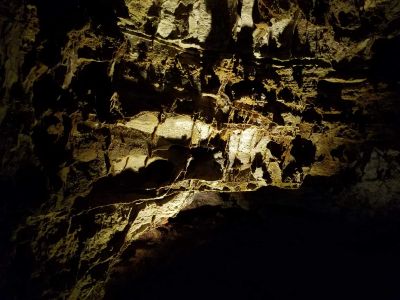
Start at the Wind Cave Visitor Center, where exhibits introduce the cave's discovery in 1881, its sacred significance to the Lakota people, and the strange phenomenon of air rushing in and out of the cave's openings that gave it its name. From here, join the Natural Entrance Tour, a ranger-guided route of about two-thirds of a mile that begins near the small natural opening and descends through winding passages into the cave's middle levels. Along the way, the walls and ceilings are covered in dense boxwork, the delicate calcite fins that make Wind Cave famous. The tour includes about 300 stairs, mostly going down, and exits by elevator. If it is sold out, the shorter Garden of Eden Tour or the more strenuous Fairgrounds Tour are good alternatives, and the lantern-lit Candlelight Tour offers an unforgettable summer experience.
Wind Cave National Park: Boxwork Caverns, Bison Prairies, and Black Hills Vistas
1 Day
Beneath the rolling grasslands of the southern Black Hills lies one of the longest and most complex caves in the world. Wind Cave was the first cave anywhere to be designated a national park, and its winding passages hold roughly 95 percent of the world's discovered boxwork, a rare honeycomb-like calcite formation. Above ground, the park protects one of the largest remaining natural mixed-grass prairies in the United States, where bison, elk, pronghorn, and prairie dogs roam freely. This one-day itinerary pairs a ranger-guided cave tour in the morning with an afternoon of easy hikes and wildlife viewing on the surface, ending at the park's best viewpoint. Longer routes such as the Centennial, Highland Creek, and Lookout Point loop are left out to keep the day relaxed, and the Candlelight and Fairgrounds tours are mentioned as alternatives rather than added on top of the main cave tour.
Day 1
The day begins at the visitor center, where every cave tour starts, before heading out to explore the prairie and ponderosa pine forests above. Cave tour tickets are sold at the visitor center and can sell out in summer, so arrive early or reserve ahead when possible. The cave stays about 53 degrees year-round, so bring a light jacket even on hot days. There is no entrance fee for the park itself, and wildlife is most active early and late in the day, making the afternoon drive north a highlight.
After lunch, head to the nearby Wind Cave Canyon Trail, a 3.8-mile round-trip hike that follows a quiet canyon toward Beaver Creek. Limestone walls rise on either side of the trail, ponderosa pines offer patches of shade, and open meadows stretch across the canyon floor. The cliffs are a favorite nesting area for birds of prey and cliff swallows, and the canyon is one of the park's best spots for birdwatching. Hike the full route or simply walk part of the way and turn back when you are ready.
Continue to the Elk Mountain Campground area for the Elk Mountain Nature Trail, an easy one-mile interpretive loop through the transition zone where open prairie meets ponderosa pine forest. Signs along the way explain how fire, grazing animals, and weather shape this landscape. It is a pleasant, low-effort walk and an excellent place to spot mule deer, wild turkeys, and elk.
End the day by driving north through the heart of the park on Highway 87, watching the prairie for grazing bison, pronghorn, and the busy prairie dog towns that line the road. Always keep your distance from bison, as they are wild and dangerous. At the end of a short side road, the Rankin Ridge Nature Trail climbs gently along a one-mile loop to a fire lookout tower on one of the highest points in the park. From the ridge, sweeping views stretch across the southern Black Hills and the rolling prairie, and the soft late-afternoon light makes it the perfect place to close out the day.